
Ingersoll Rand Lubricants



How to protect your Equipment with Ingersoll Rand Compressor lubricant
Why Lubrication Is Critical for Ingersoll Rand Compressors
Ingersoll Rand compressors are engineered for heavy-duty, continuous operation - but even the most robust machine is only as reliable as the lubricant running through it. Ingersoll Rand compressor oil plays a far more critical role than most operators realise: it doesn't just reduce friction, it seals internal clearances, dissipates heat, protects against corrosion, and keeps contaminants from circulating through the system. Under the extreme pressures and temperatures generated during compression, the wrong lubricant - or a degraded one - can lead to overheating, varnish buildup on components, accelerated bearing wear, and ultimately costly unplanned downtime. Using a genuine Ingersoll Rand lubricant also protects your warranty, ensuring that any claim isn't jeopardised by an incompatible or substandard oil. In short, OEM compressor lubricant isn't an optional extra - it's a core part of what keeps an Ingersoll Rand machine running the way it was designed to.
Ingersoll Rand's Lubricant Range: The Right Oil for Every Compressor
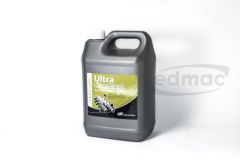
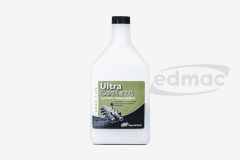
One of the strengths of choosing Ingersoll Rand is that the brand offers a purpose-built lubricant for virtually every application. For Ingersoll Rand rotary screw compressors, Ingersoll Rand Ultra Coolant is the obvious option. This polyglycol-based synthetic coolant is engineered for peak thermal performance across a full temperature range, with a service life of up to 8,000 hours, significantly outlasting conventional petroleum-based oils. For operations requiring even longer intervals, Ultra Extended Life (Ultra EL) lubricant lasts up to twice as long as standard rotary lubricants, with a lifecycle of up to 3 years -ideal for high-duty-cycle environments where maintenance windows are limited. Reciprocating and piston compressors, such as the popular Ingersoll Rand T-series (2340, 2475, 7100), are best served by T30 All Season Select , a fully synthetic lubricant that delivers consistent protection in both high and low ambient temperatures and reduces carbon buildup that shortens cylinder life. For portable rotary screw compressors operating in variable field conditions, Pro-Tec provides strong thermal stability and oxidation resistance with a recommended change interval of 4,000 hours. And for food and beverage manufacturers where compressed air contacts product, Ultra FG is an H1 and NSF-certified food-grade lubricant with built-in antimicrobial protection -giving complete peace of mind at every stage of production. If you are in doubt to choose the right product from the Ingersoll Rand lubricant range ask for help from our sales specialists.
Viscosity Grades, Change Intervals, and Operating Conditions
Selecting the right Ingersoll Rand synthetic compressor oil is only half the equation -knowing when and how to use it is equally important. Ingersoll Rand lubricants are formulated to specific ISO viscosity grades matched to their intended compressor type: Ultra Coolant and Ultra EL, for example, are designed for the thermal and mechanical demands of rotary screw compression, while XL-700 targets large reciprocating systems needing a heavier-grade oil for break-in and crankcase lubrication. Compressor lubricant viscosity grade selection also depends on operating environment: facilities in hot climates or running compressors at high load factors may see accelerated oxidation, making the choice of a thermally stable synthetic even more critical. The Ingersoll Rand oil change interval varies by product: Ultra Coolant is rated for up to 8,000 run hours or two years (whichever comes first), Pro-Tec for 4,000 hours annually, and T30 All Season Select for 2,000 hours or one year. However, these are maximum intervals under normal conditions -if the oil appears dark, cloudy, or sludgy, or if the compressor operates in dusty, humid, or chemically aggressive environments, change it sooner. Always replace air filters, oil filters, and separator elements at the same time as the oil to maintain full system efficiency.
Q&A: Your Top Questions About Ingersoll Rand Compressor Lubricants Answered
Yes - but the quality of the lubricant matters. Generic or mismatched oils can cause real problems: seal damage, foaming, and faster wear. But a premium equivalent is a different story.
Edmac's compressor lubricants are specifically formulated to meet or exceed Ingersoll Rand specifications. That means the right viscosity, the right additives, and full compatibility with your machine - whether it's a rotary screw or a reciprocating compressor.
The benefits are simple: your compressor stays protected, your maintenance schedule stays on track, and you avoid paying the OEM premium. It's the same performance at a better price.
Looking for the best oil for your Ingersoll Rand air compressor without the OEM price tag? Edmac has you covered.
It depends on the lubricant and your operating conditions. As a general guide: Ultra Coolant -up to 8,000 hours or 2 years; Ultra EL -up to 3 years; Pro-Tec -4,000 hours or annually; T30 All Season Select -2,000 hours or annually. Always track run hours alongside calendar time, and use whichever limit is reached first. Compressors running in high-heat, high-humidity, or dusty environments should be serviced more frequently. When in doubt, an oil analysis can tell you exactly where you stand.
Mixing lubricants -even two synthetic oils -is one of the most common and damaging mistakes in compressor maintenance. Different oil chemistries (PAO, PAG, ester, mineral) are often chemically incompatible: blending them can cause additive drop-out, foaming, emulsification, and dramatically reduced lubrication quality. The result is accelerated wear and shortened component life. If you're switching from one Ingersoll Rand product to another, or from a third-party oil to an OEM lubricant, flush the system thoroughly before refilling.
Yes, lubricant condition is one of the first things to check when a compressor runs hot. Degraded oil loses its thermal conductivity and viscosity, meaning it can no longer effectively carry heat away from bearings and rotors. Oxidised oil may also leave varnish deposits that insulate components and block oil passages, compounding the problem. Other lubricant-related causes of overheating include using the wrong viscosity grade, running the oil past its service interval, or having a contaminated oil cooler. If your machine is running above normal temperature, check the oil condition, oil level, and cooler cleanliness before looking elsewhere.